
Transitioning into sports therapy: Mike Westall’s story
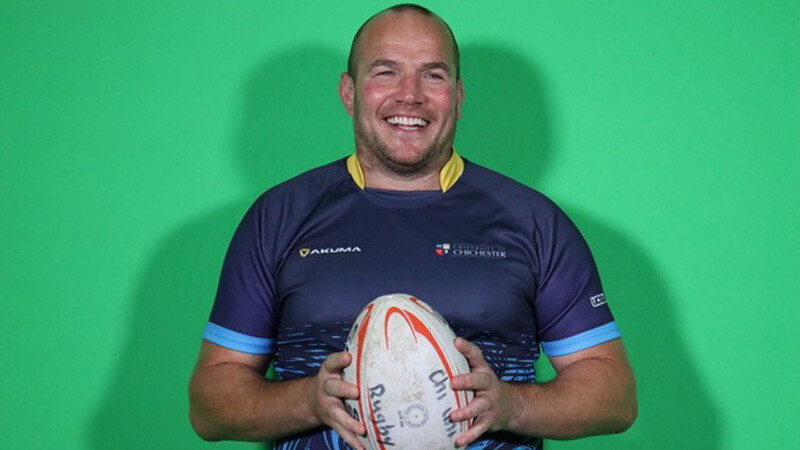
Mike Westall's journey into sports therapy highlights how Armed Forces experience, combined with the smart use of Enhanced Learning Credits (ELC), can open doors to rewarding second careers.
A Career of Service and Transferable Skills
Mike enlisted in October 1998 and served for 23 years, leaving in October 2021 as a Staff Sergeant. His career spanned roles within the Royal Artillery and Queen Alexandra’s Royal Army Nursing Corps (QARANC), giving him a unique blend of operational and clinical experience.
During his service, Mike gained valuable civilian-recognised qualifications, including:
C and C+E driving licences
HAZMAT certification
A Nursing Diploma
These qualifications, particularly his nursing background, would later prove crucial in shaping his next career move.
Using ELC to Unlock a New Direction
Mike made full use of his Enhanced Learning Credits—both during resettlement and after leaving the Forces. Reflecting on his decision, he describes it simply: making use of funded education “was a no brainer.”
After leaving the military, Mike initially worked in the fitness industry. However, he soon realised his real interest lay not in coaching performance, but in helping people recover from injury.
Combined with his passion for sport and a desire to remain in that environment after stepping away from playing, this led him to enrol on an MSci Sports Therapy degree at the University of Chichester.
Back to Education – and Thriving
Now a full-time student, Mike has been studying for the past two years. His course offers a carefully balanced mix of academic learning and hands-on experience, designed to mirror real-world practice.
With a small cohort of around 30 students, the course allows for strong relationships with lecturers and a highly interactive learning environment. Crucially, it includes:
Pitch-side medical cover for university sports teams
Running a live on-campus clinic
Practical assessments simulating job interviews
This blend of theory and practice ensures students develop both technical knowledge and clinical reasoning—key skills for any healthcare professional.
Mike’s nursing experience has given him a strong foundation, particularly in anatomy, physiology and working in clinical settings, helping him adapt quickly to the demands of the course.
Balancing Study and Life
Returning to education hasn’t been without its challenges. As a single father, Mike has had to carefully manage his time to balance academic work with family responsibilities.
However, he points out that motivation makes all the difference:
“It’s easier when you’re studying something you enjoy.”
The course involves mostly in-person learning, supported by pre-reading and independent study—requiring discipline, organisation and resilience, all skills honed during his military career.
Resettlement: Taking Opportunities as They Come
Mike completed his Career Transition Workshop (CTW) at Portsmouth Naval Base, though he found it less impactful due to already holding strong civilian qualifications.
Instead, he focused on practical resettlement courses, including Level 3 Personal Training and massage qualifications, which helped him secure his first civilian role in a gym.
From there, his career direction evolved naturally into sports therapy—demonstrating that transition doesn’t always follow a straight line.
A New Career Path with Purpose
Sports therapy combines healthcare, science and hands-on treatment, focusing on musculoskeletal injuries in sport and exercise. For Mike, it represents a perfect blend of his interests and experience.
He already feels better prepared for his future career but acknowledges that true learning will continue once he enters the profession fully.
Straightforward Advice for Service Leavers
Mike’s advice to other Service personnel is refreshingly direct:
“Go for it… the funds are there, why wouldn’t you use them?”
He also encourages a proactive mindset when job hunting:
“If you see a job you are keen on, apply… employers are often drawn to the individual and their personality, not just certificates.”
Final Thoughts
Mike Westall’s journey shows that resettlement is not about having everything mapped out from day one. Instead, it’s about recognising opportunities, building on existing strengths, and being willing to adapt.
From the Army to the lecture hall—and soon into clinical practice—his story is a strong reminder that with the right mindset and support, Service leavers can successfully transition into entirely new and rewarding careers.
- Featured Advertisers -