Your military experience is not the problem
The challenge is learning how to translate it. Michael Nixon explains how he moved from the Parachute Regiment and Arabic language work into London asset management without a degree or a traditional finance background.
The candidate who did not fit the template
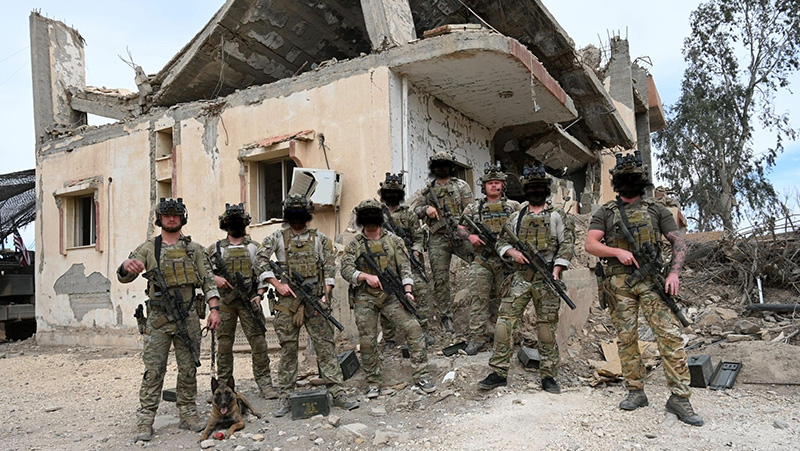
Today I work in operations for an asset manager in London. A few years ago, I would probably have assumed I was the wrong person for the job. I had spent more than ten years in the British Army, serving as a Paratrooper, including time within the Special Forces Support Group, where I also worked as an Arabic linguist. I had deployed on operations and worked in intelligence and training roles, often overseas. I knew responsibility and pressure. Finance was completely new to me.
On paper, I did not look like the obvious City candidate. I had a college qualification but no degree, no previous role in finance and no family network opening doors. I knew the Army had given me useful experience, but the problem was explaining it in a way a civilian employer could understand. I was giving people my military history and hoping they would work out the value for themselves. Most hiring managers cannot do that for you.
Learning to translate a career
Service leavers are constantly told that their skills are transferable. The trouble is that skills do not transfer themselves. You cannot write ‘resilient team player’ on a CV and expect an employer to know what you have done. Ranks, unit names and acronyms may mean everything to us and nothing to the person deciding whether to interview us.
I did not want to water down my service or dress it up in corporate language. I needed to explain it.
Being a Paratrooper had taught me preparation, accountability and how to stay useful when plans changed. Working as an Arabic linguist meant handling complex information, recognising nuance and communicating across cultures. Training and intelligence roles involved risk, accuracy and making decisions without perfect information. That was relevant to business once I learned how to say so.
That changed my CV and the way I carried myself in interviews. I stopped reciting where I had served and explained the problems I had solved. I used numbers where I could, removed language only another soldier would recognise and connected each example to the role.
I remained proud of where I came from. I simply made it easier for someone else to see what I could offer.

The conversations that changed everything
Networking was the biggest part of my transition. I spoke to anyone willing to give me their time, from individuals on veterans’ programmes to managing directors and recruitment teams. I arranged coffees, joined calls and sent messages on LinkedIn.
I spoke to veterans already working in finance and to people with no military background at all. Some conversations lasted twenty minutes; others became lasting relationships.
I was not asking people for a job. I wanted to understand the jobs. What did a normal day look like? How had they entered the industry? What did employers care about, and where were my genuine gaps?
Each answer made the picture clearer. Often, one person introduced me to another and the network grew from there.
Networking is not a dark art. It is about being interested, prepared and willing to follow up. Research the person, ask sensible questions, listen and act on useful advice. Keep in touch when you do not need anything. A CV can put your name into a process, but a conversation helps somebody understand the person behind it.
That mattered because my background did not fit the usual template.
I remember one of my biggest challenges came when a veteran working in finance asked me, ‘Tell me about yourself.’ I found this extremely difficult, yet to many people this is the easy part. Get good at this and you will thank yourself later.
If you can get past the thought, ‘I wonder if this conversation will lead anywhere?’, it becomes much easier to have those conversations in the first place.
How I earned the opportunity
There was no golden introduction that handed me a career. I narrowed my target, learned the industry’s basic language and prepared when an opening appeared. I read job descriptions, researched firms and worked out what asset management operations required.
Then I applied for a role I could easily have talked myself out of.
At interview, I did not pretend to know everything. I explained how I thought, how I learned and why my military responsibility was relevant.
I made sure I was good at the basics: who the company was, what it did, who the CIO was and the value of the assets it managed (AUM). I gave examples of accuracy under pressure, competing priorities, managing risk and following a process when mistakes mattered.
I was not asking anyone to lower the bar. I was asking for the opportunity to prove I could clear it.
Before each of my three interviews, I sat in a coffee shop around the corner for three or four hours and read through my notes over and over again. I wanted to make sure I left nothing on the table. If it did not work out, I wanted to know that someone else deserved it more than me.
The firm took a chance on a non-traditional candidate, but it was not blind. My experience showed my character and potential. I still had to learn the technical side and accept that I was junior in a new industry.
That can be difficult after years of responsibility, but being junior in technical knowledge does not make you junior as a person. You are learning a new profession, not erasing the one you had before.
Being held accountable in the Armed Forces is something we have all experienced, and mark my words, that does not change when you enter finance.
Building After The Colours
Once I was inside the industry, I kept thinking about how hard it had been to find honest accounts of transition. Most success stories are told after the new job is secured, when the rejection, doubt and wrong turns have been edited out.
The move looks smooth and inevitable. Mine was neither.
I knew a guy who had also served in the Parachute Regiment. He was accepted onto a veterans’ programme, but a week before he was due to start, he pulled the plug. He had talked himself out of believing he could persevere and secure a role at the end of the three months, while also worrying about how he would sustain himself on London minimum wage.
That is why I created After The Colours.
It began with a podcast, but I see it as a wider platform for successful veteran career stories across finance, business and entrepreneurship. Through long-form interviews and short-form content, I want to show what people have gone on to build, how they got there and what they wish they had understood when they left service.
The podcast is at the heart of it, but the mission is bigger than the podcast itself. Eventually, I see this becoming a major bridge between service leavers and new careers.
My first guest, Jack, served for eight years and moved from the Ranger Regiment into the money-market fund industry. He said: ‘Your network is your lifeline.’
That summed up my own experience. The right conversation can reveal what a job advert never will and sometimes put your name in a room you did not know existed.
After The Colours does not pretend that transition is easy or that every veteran should follow the same route. It makes routes visible.
I want someone leaving the military to hear a successful person in finance, meet a veteran building a business or learn from an entrepreneur and think, ‘I could have a serious go at that.’
They must still do the work, but they should not have to start without a map.
You are not starting from zero
My advice is simple. Pick a direction before collecting qualifications. Speak to people doing the job before rewriting your CV. Send the message, take the meeting and ask the question. Find your gaps, then do something about them.
Never bluff, but do not reject yourself before an employer has seen you.
Your service does not automatically entitle you to a civilian role. You still have to prepare, compete and prove yourself. At the same time, a missing degree or an unconventional CV should not wipe out a decade of responsibility.
Be humble about what you have to learn without making yourself small.
I did not leave the Army as a finished asset management professional. I left with experience, values and the ability to learn. The rest came through conversations, preparation and somebody willing to see the potential behind an unfamiliar CV.
You are not starting again with nothing. You probably have more to offer than you think.
Your job is to make sure the next person can see it.
About the author
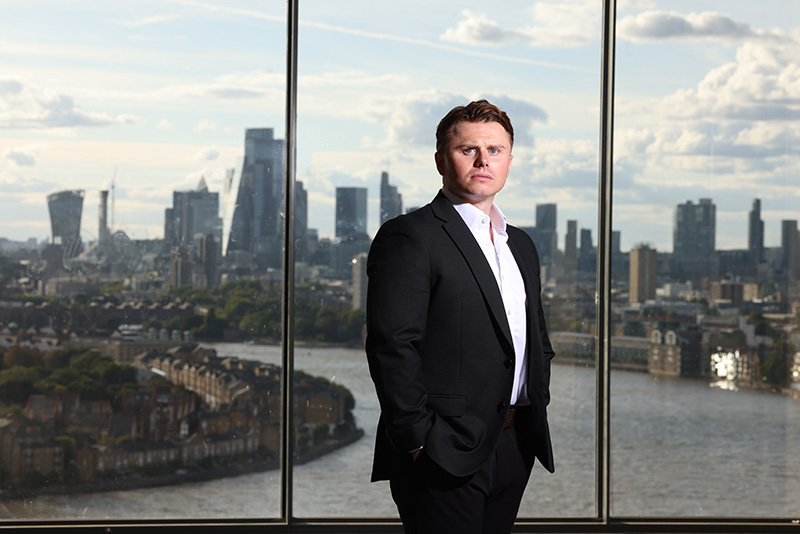
Michael Nixon served for more than ten years in the British Army, including the Parachute Regiment and Special Forces Support Group, and later trained as an Arabic linguist. He now works in asset management in London and is the founder of After The Colours, a platform sharing successful veteran career stories across finance, business and entrepreneurship.
Website: https://www.afterthecolours.com
YouTube: https://www.youtube.com/@AfterTheColours
Spotify: https://open.spotify.com/show/1Jl6jm966EJTuOcPe5d0z9
Instagram: https://www.instagram.com/afterthecolourspod
- Featured Advertisers -